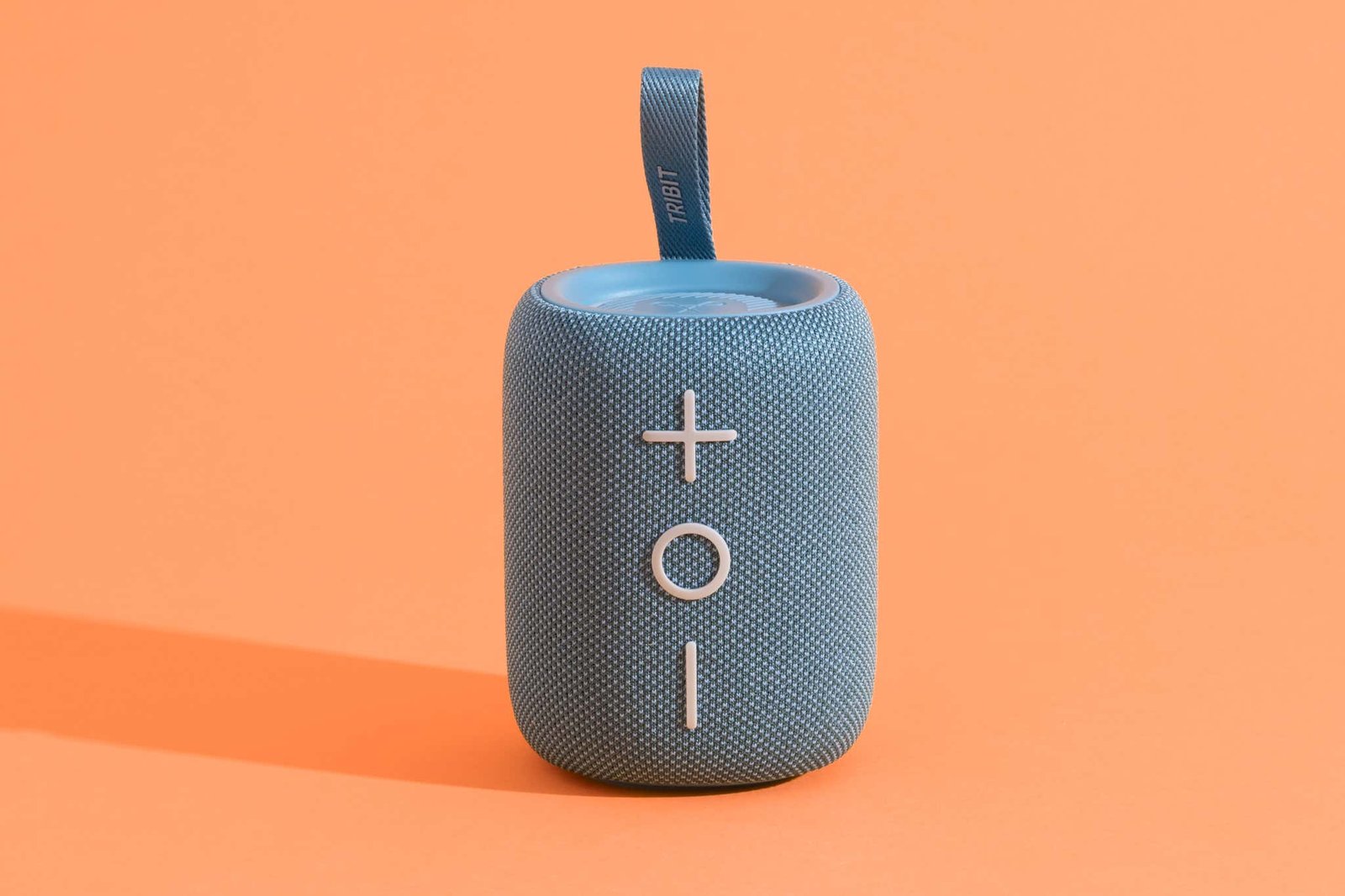
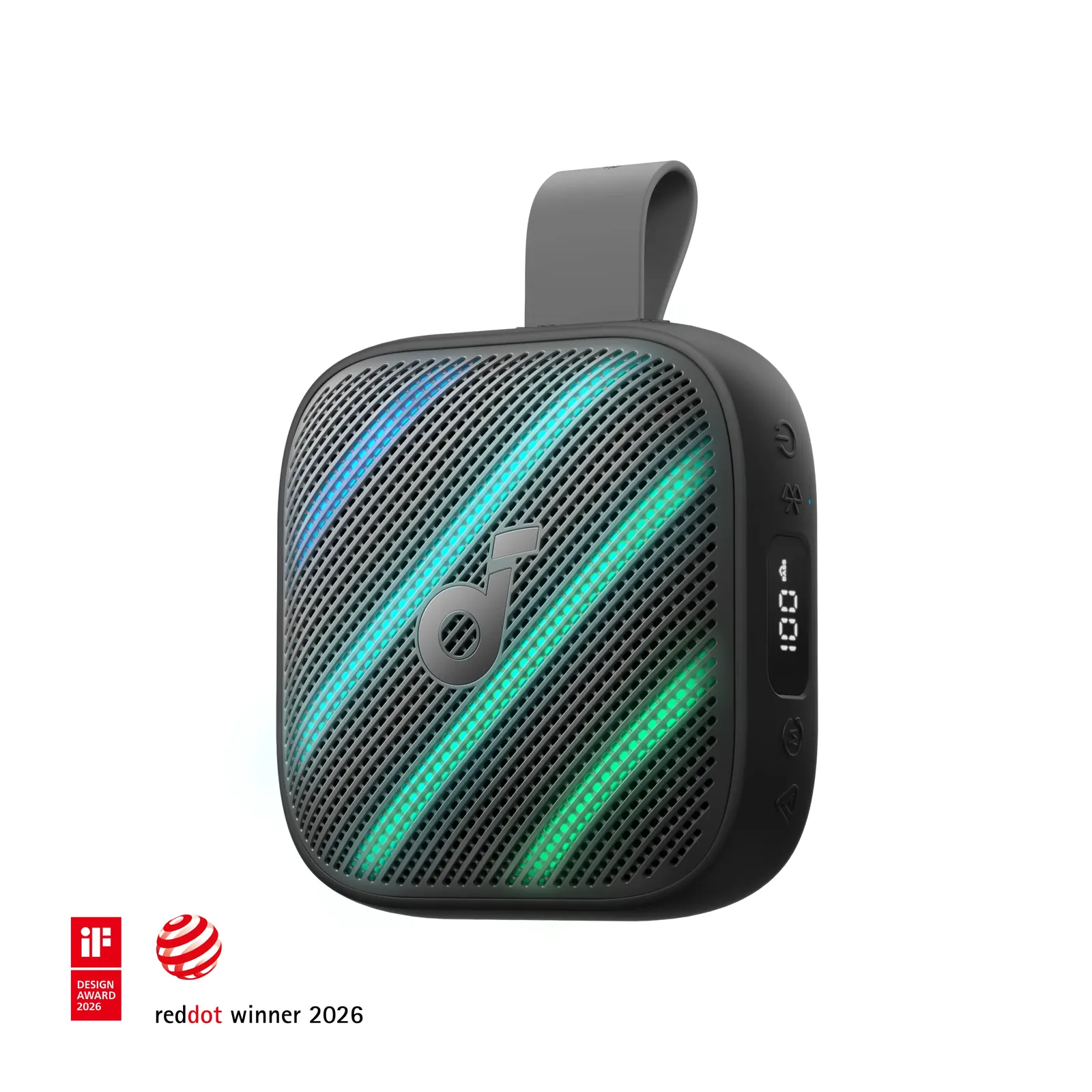
Finding the right bluetooth speakers involves balancing your budget, desired portability, and sound quality requirements. Depending on whether you need a pocket-sized companion or a powerful unit for home audio, you can expect to pay anywhere from $25 to $450 for a quality device. This guide helps you navigate the technical specifications and features that truly matter when selecting a new wireless sound system for your specific lifestyle.
Key Takeaways
- Prioritize water resistance ratings if you plan to use your device outdoors or near a swimming pool.
- Check the battery life specifications to ensure the unit lasts through your longest planned listening sessions.
- Understand that larger drivers generally produce better bass response than ultra-compact models.
- Look for Bluetooth 5.0 or higher to ensure a stable connection and improved power efficiency.
- Multi-speaker pairing features allow you to link multiple units for a wider, stereo soundstage.
Understanding Wireless Audio Technology
Modern wireless audio relies on the Advanced Audio Distribution Profile, which dictates how high-quality stereo audio is transmitted over a wireless link. According to the official Bluetooth technology website, newer versions of this protocol significantly improve connection stability and data throughput, ensuring your music stays clear without dropouts. Choosing a device with updated hardware is the best way to ensure long-term compatibility with your smartphone or laptop.
How Do You Choose Portability?
Portability is the most critical factor for most buyers. If you’re constantly on the move, look for compact designs that fit into a bag or clip onto a backpack.
| Speaker Category | Typical Weight | Best Usage Scenario |
|---|---|---|
| Ultra-Portable | 0.5 – 1.0 lbs | Hiking, beach trips, travel |
| Mid-Size Portable | 1.5 – 3.0 lbs | Backyard parties, home office |
| Stationary Home | 4.0 lbs+ | Living rooms, dedicated studios |
What Is IPX Water Resistance?
If you take your gear outside, you must check the Ingress Protection rating. The IPX scale measures how well a device handles moisture. An IPX4 rating means it can handle light splashes, while an IPX7 rating indicates the device can be fully submerged in shallow water for a limited duration. Always verify the specific rating before exposing your electronics to the elements to prevent permanent damage.
Evaluating Sound Quality Drivers
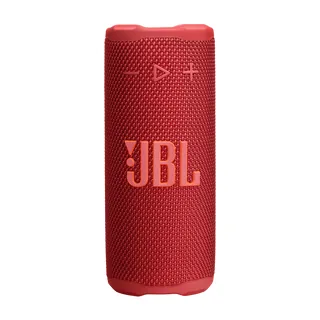
The driver is the component that vibrates to produce sound. Small units often struggle with deep bass because they lack the physical surface area to push enough air. If high-fidelity audio is your priority, look for speakers that include a dedicated woofer for low frequencies and a separate tweeter for crisp highs. Avoid models that claim massive bass output without mentioning physical driver size or passive radiator technology.
Battery Life and Charging
Battery performance is often overstated by manufacturers under ideal conditions. In practice, playing music at maximum volume will drain the cell much faster than at moderate levels.
- Typical Battery Ranges
- Ultra-portable: 5 to 12 hours
- Mid-size: 15 to 24 hours
- Stationary: Mains powered
Pro Tip: Always look for a device that supports USB-C charging, as it’s the current industry standard and typically offers faster power delivery than older micro-USB cables.
Connectivity and Pairing Options
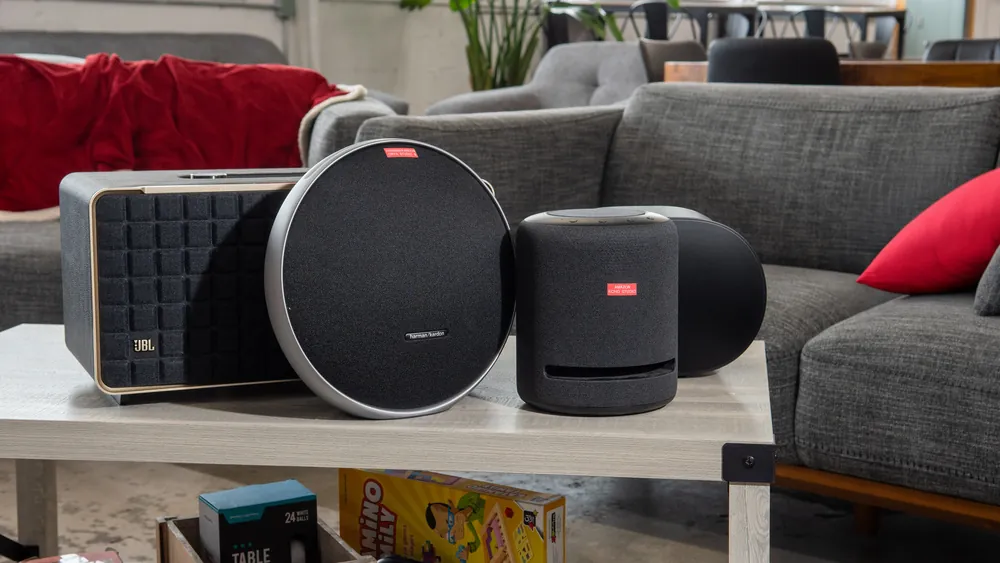
While Bluetooth is the standard, some modern units include auxiliary inputs for wired connections or NFC for one-touch pairing. If you want a larger sound, look for “Party Mode” or “Stereo Pairing,” which allows two identical speakers to act as a left and right channel. This feature drastically improves the immersion of your listening experience, turning a single mono source into a true stereo performance.
Essential Features to Verify in Bluetooth Speakers
- Bluetooth Version: Look for 5.0 or 5.3.
- Frequency Response: A range of 60Hz to 20kHz is generally excellent.
- Charging Port: USB-C is mandatory for modern convenience.
- Microphone: Essential if you need to take phone calls hands-free.
Warning: Avoid purchasing unbranded devices from unknown online marketplaces, as these often contain low-quality batteries that may fail prematurely or lack safety certifications for thermal management.
Comparing Popular Market Options
| Brand | Series Focus | Price Range |
|---|---|---|
| JBL | Rugged/Outdoor | $40 – $350 |
| Bose | Sound Quality | $130 – $450 |
| Anker | Budget/Value | $25 – $120 |
| Sonos | Smart Home | $180 – $450 |
Troubleshooting Common Connection Issues
If your audio cuts out, first ensure your device is within thirty feet of the speaker. Obstacles like thick walls or metal furniture can significantly degrade the wireless signal. If the connection fails entirely, delete the device from your smartphone’s Bluetooth menu, turn the speaker off, and perform a hard reset. Re-pairing from scratch usually resolves software-based communication glitches that occur after system updates.
Frequently Asked Questions
How long should a battery last?
Most high-quality portable speakers are designed to provide between 10 and 20 hours of playback on a single charge. However, this depends heavily on the volume level and the type of music being played. Bass-heavy tracks consume more power than acoustic or vocal-focused music. Always check the manufacturer’s specific rating for “at 50% volume” to get a realistic expectation of performance.
Can I pair two different brands?
Generally, no. Most manufacturers use proprietary software to enable pairing between multiple units. While some apps allow you to sync multiple speakers from the same brand, you can’t typically link a device from one manufacturer with a different one. If you want a multi-room or stereo setup, commit to a single brand ecosystem to ensure all hardware components communicate seamlessly with each other.
Is higher wattage always better?
Not necessarily. Wattage measures power consumption and potential volume, but it doesn’t dictate sound quality. A 10-watt speaker with a high-quality driver can sound significantly better than a 30-watt speaker with cheap, distorted components. Focus on the frequency response range and reviews regarding sound clarity rather than just the raw power output figures listed on the box.
Should I care about Bluetooth codecs?
If you’re an audiophile, yes. Codecs like aptX or LDAC allow for higher-bitrate data transmission compared to the standard SBC codec. This results in less compression and potentially better sound quality for high-resolution audio files. If you primarily listen to streaming radio or podcasts, standard Bluetooth connectivity is perfectly sufficient for your needs and you likely won’t notice a difference.
Conclusion
Before making your final selection, visit a local electronics retailer to listen to a few models in person if possible. Sound is subjective, and what one person finds balanced, another might find muddy or tinny. Once you identify a form factor and brand that meets your budget, check for recent firmware updates to ensure your new device functions optimally right out of the box.