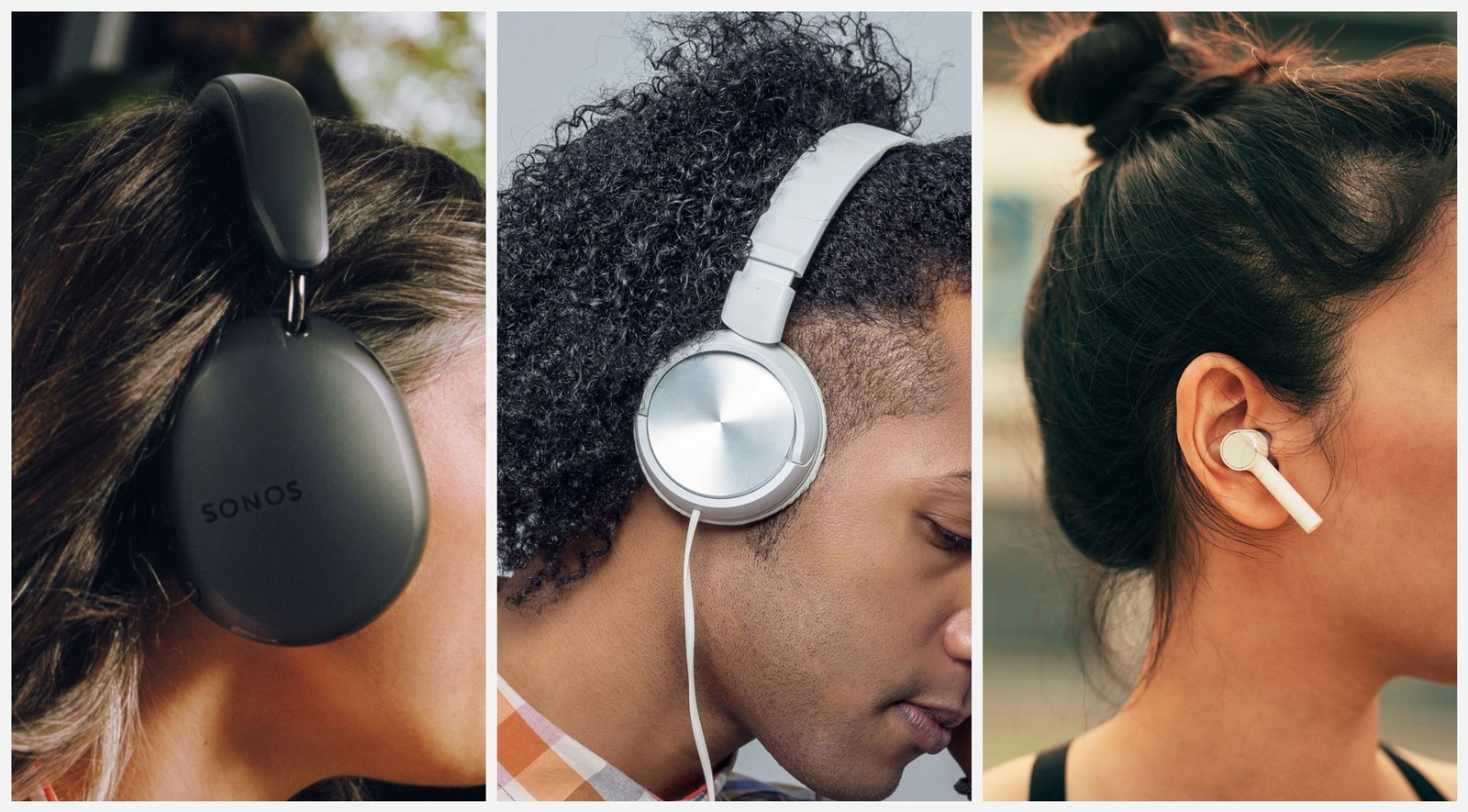
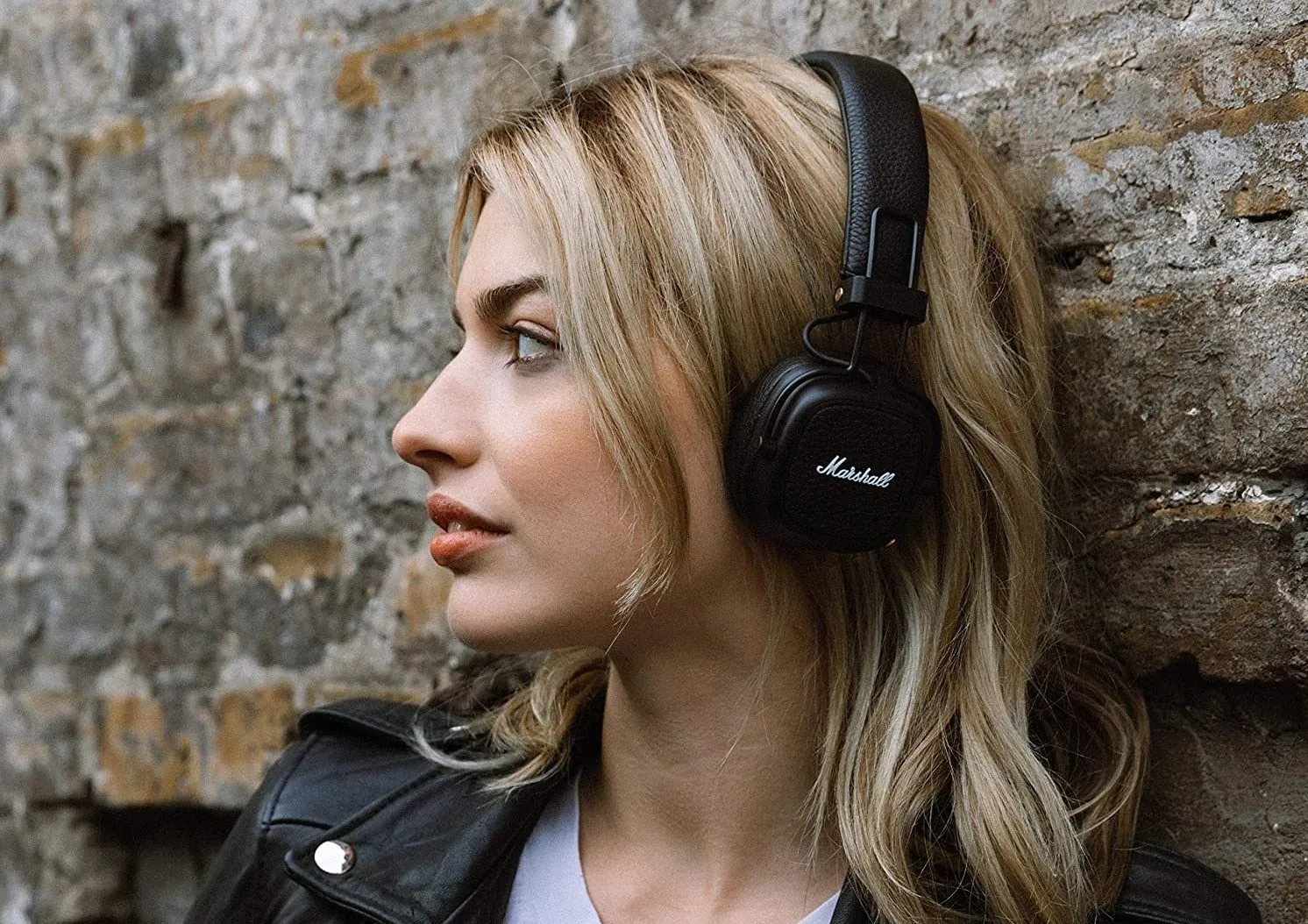
These devices provide a balance between portability and sound quality by resting directly on the outer ear. Most people use on-ear headphones for commuting or office work because they’re lighter than over-ear models.
A guide to headphone styles
This table shows the main differences between common listening devices. Each type has a unique design that affects how you hear sound and how comfortable the fit feels during long periods of use.
| Style | Best For | Example |
|---|---|---|
| On-ear | Daily commuting | Wired portable sets |
| Over-ear | Home listening | Studio monitor style |
| In-ear | Active exercise | Wireless sports buds |
| Open-back | Critical mixing | High-fidelity home gear |
Features of on-ear headphones
These units sit directly on the outer cartilage of your ear. This design makes them highly portable. They offer decent audio quality without the weight of larger gear.
- Lightweight frames reduce neck strain during long listening sessions.
- Folding hinges allow the device to collapse for travel.
- Smaller ear cups keep the head cooler than full-sized enclosures.
For instance, a pair with a 40mm driver provides a standard sound profile for most pop and rock music.
Portability and travel use
Their compact size makes them ideal for travel.
- Slim headbands fit easily into tight storage compartments.
- Reduced weight prevents the pressure often felt on the crown of the head.
- External noise is dampened by the foam pads, though not as fully as with closed-back over-ear models.
A common setup involves a 1.2-meter cable which provides enough slack for mobile use without tangling.
Sound quality and design
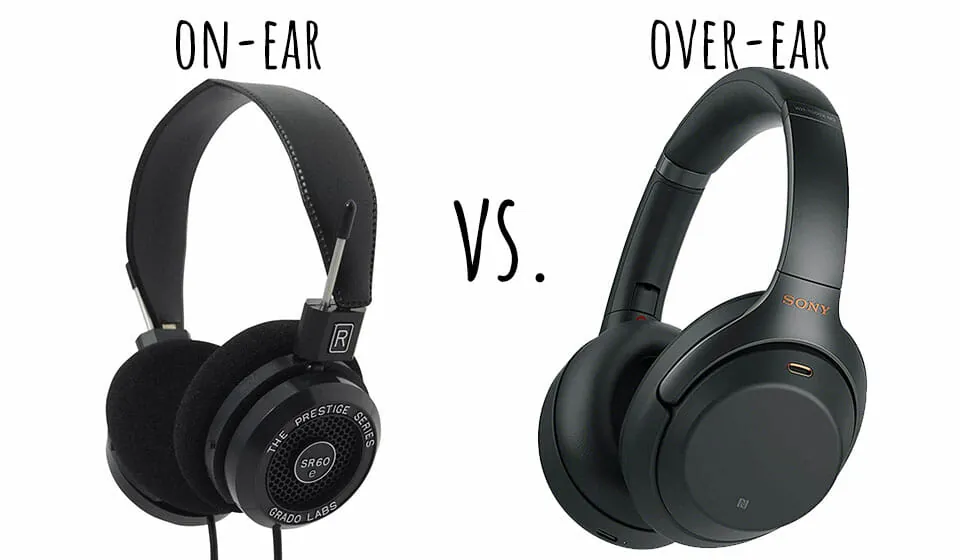
These units deliver clear mid-range frequencies for natural-sounding voices and instruments. The Occupational Safety and Health Administration notes that listening to audio at high volumes for extended periods can cause permanent hearing loss, so keep your volume at a moderate level.
- Open-cell foam pads allow some airflow to keep ears comfortable.
- On-ear positioning creates a direct path for sound into the ear canal.
- Adjustable sliders ensure the cups sit firmly against the ear.
If your ears feel sore after one hour, try loosening the headband tension to reduce the clamping force.
Durability and maintenance
Sturdy construction is vital for frequent folding. Pulling the cable to unplug the device damages internal wiring and causes audio cutouts.
- Replaceable ear pads extend the life of the unit by years.
- Detachable cables allow for cheap repairs if the wire breaks.
- Hard-shell cases protect the fragile hinges from being crushed in bags.
A simple wipe with a damp cloth after each use prevents sweat from degrading the material on the pads.
Other types of audio gear
- Over-ear headphones: These fully enclose the ear to provide maximum sound isolation and a wider soundstage for home listening.
- In-ear monitors: These fit deep into the ear canal to block external noise, making them perfect for noisy transit.
- Bone conduction units: These sit outside the ear and send vibrations through your cheekbones, allowing you to hear ambient sounds perfectly.
Deciding on your ideal pair
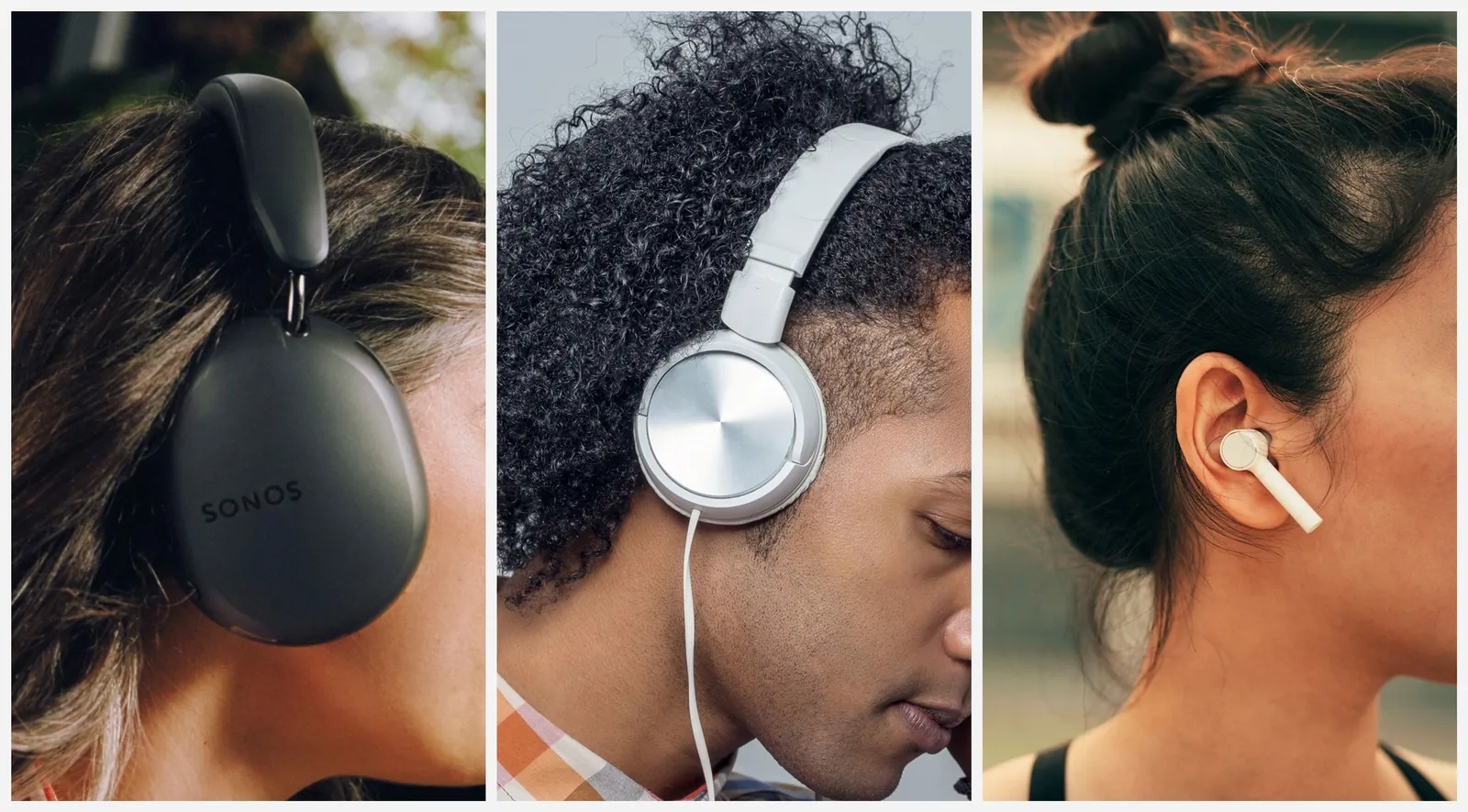
Your choice depends on your primary environment and how much space you have. If you work in a quiet office and want comfort, select a model with soft memory foam pads. If you commute on a loud train, look for a set with a tight clamp to improve passive noise blocking.
Related guides
Frequently asked questions
Can on-ear headphones damage your hearing?
Yes, hearing damage occurs if you listen above 85 decibels for long periods. Always keep your volume at a level where you can still hear someone talking to you nearby.
How long should the ear pads last?
Most pads last 12 to 24 months with daily use. You can check the manufacturer’s manual for replacement part numbers if the material starts to flake or lose its shape.
Is it safe to wear them while walking?
It’s safe if you keep the volume low enough to hear traffic. Never wear noise-canceling models in areas where you must be aware of your surroundings, like busy intersections.
What happens if the cable breaks?
The audio will cut out or sound distorted in one or both ears. If your model has a detachable cable, you can simply buy a replacement cord instead of new headphones.
Does the headband size matter?
It matters for comfort, as a headband that’s too tight causes headaches. Most models have sliding adjustments; check that the cups center on your ears without pulling your hair.
How do I clean the foam pads?
Use a slightly damp cloth to wipe them gently. Never soak the pads in water, as this destroys the adhesive and the foam structure inside the ear cups.
Conclusion
Start by checking your device for a 3.5mm headphone jack or a Bluetooth connection. Once connected, play a familiar song to test the fit and ensure the sound is clear. If you hear static or feel sharp pain, stop immediately and check the connection or adjust the headband.