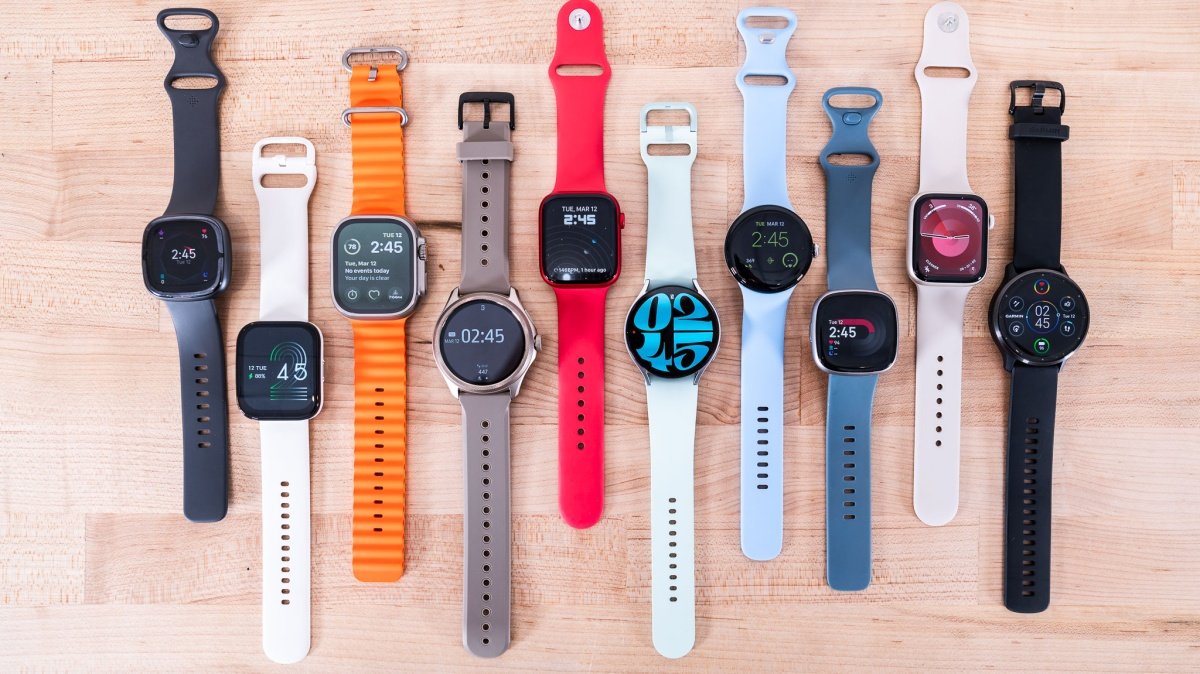
For most people, the apple watch series 10 is the best smartwatch because it balances health tracking, app integration, and daily battery life better than any other model currently available. If you prioritize long battery life for multi-day hiking or ultra-marathon training, a dedicated sports watch from Garmin is the superior choice.
Comparing Smartwatch Methods
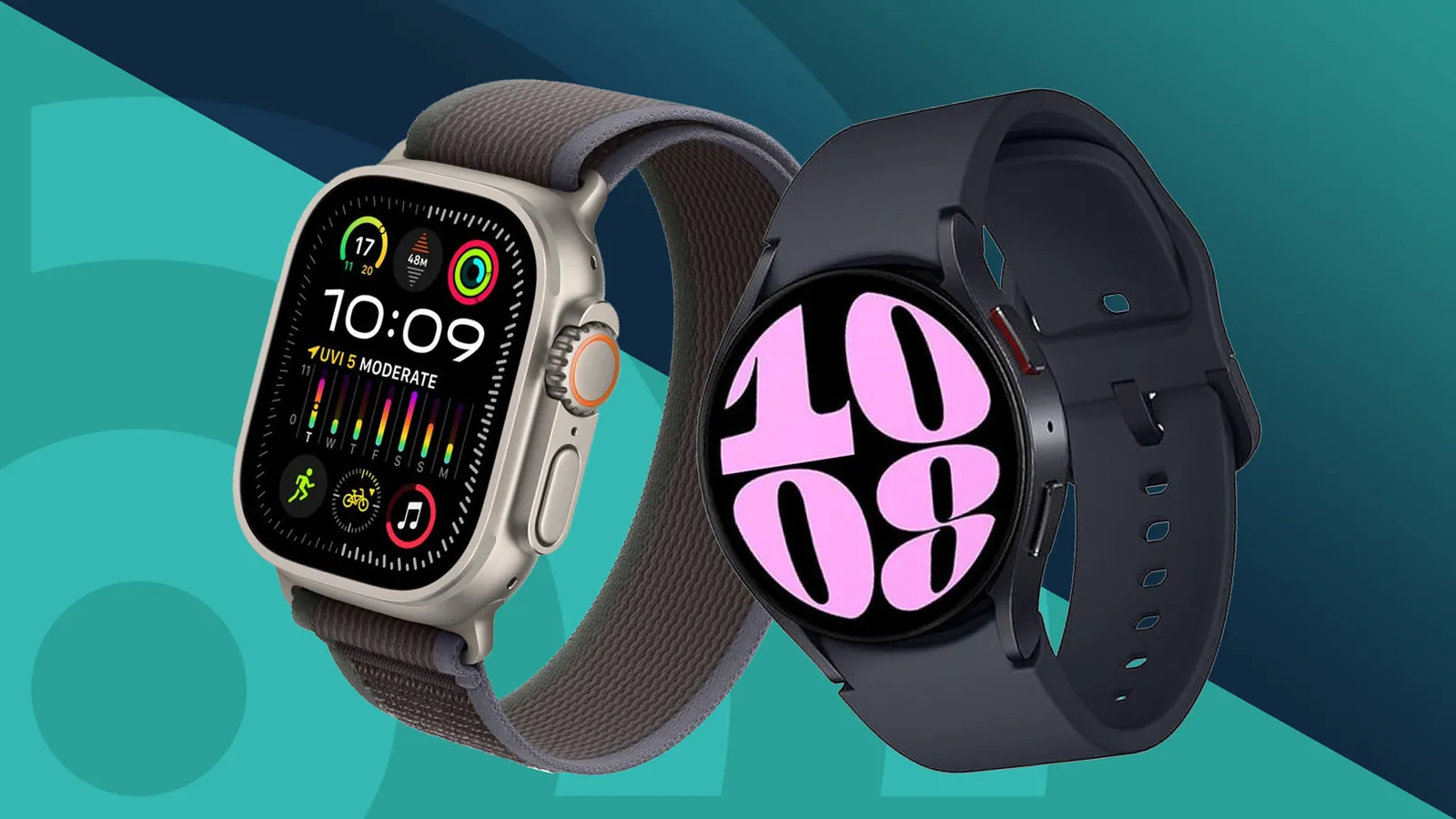
Choosing the right device depends on your primary goal, whether that’s seamless phone integration, sports performance, or basic fitness tracking. The table below compares the main categories of modern wearables.
| Method | How long | Effort | Cost | Best for |
|---|---|---|---|---|
| Smartwatch | 1-2 days | Low | Medium | Daily tasks |
| Sports Watch | 7-14 days | Medium | High | Athletes |
| Fitness Band | 5-10 days | Low | Low | Basic tracking |
Apple Watch Series 10
This device offers a deep integration with your phone, making it ideal for managing notifications and health data on the go.
- Pair the watch with your iPhone using the Watch app.
- Adjust your health goals in the Activity app to match your daily movement targets.
- Configure your notification settings to ensure you only see alerts that matter.
- Charge the device for at least 45 minutes each day to maintain a full battery.
It works best for users who already own an iPhone and want a device that acts as a secondary screen. Its main weakness is the limited battery life compared to dedicated outdoor equipment.
Garmin Fenix Series
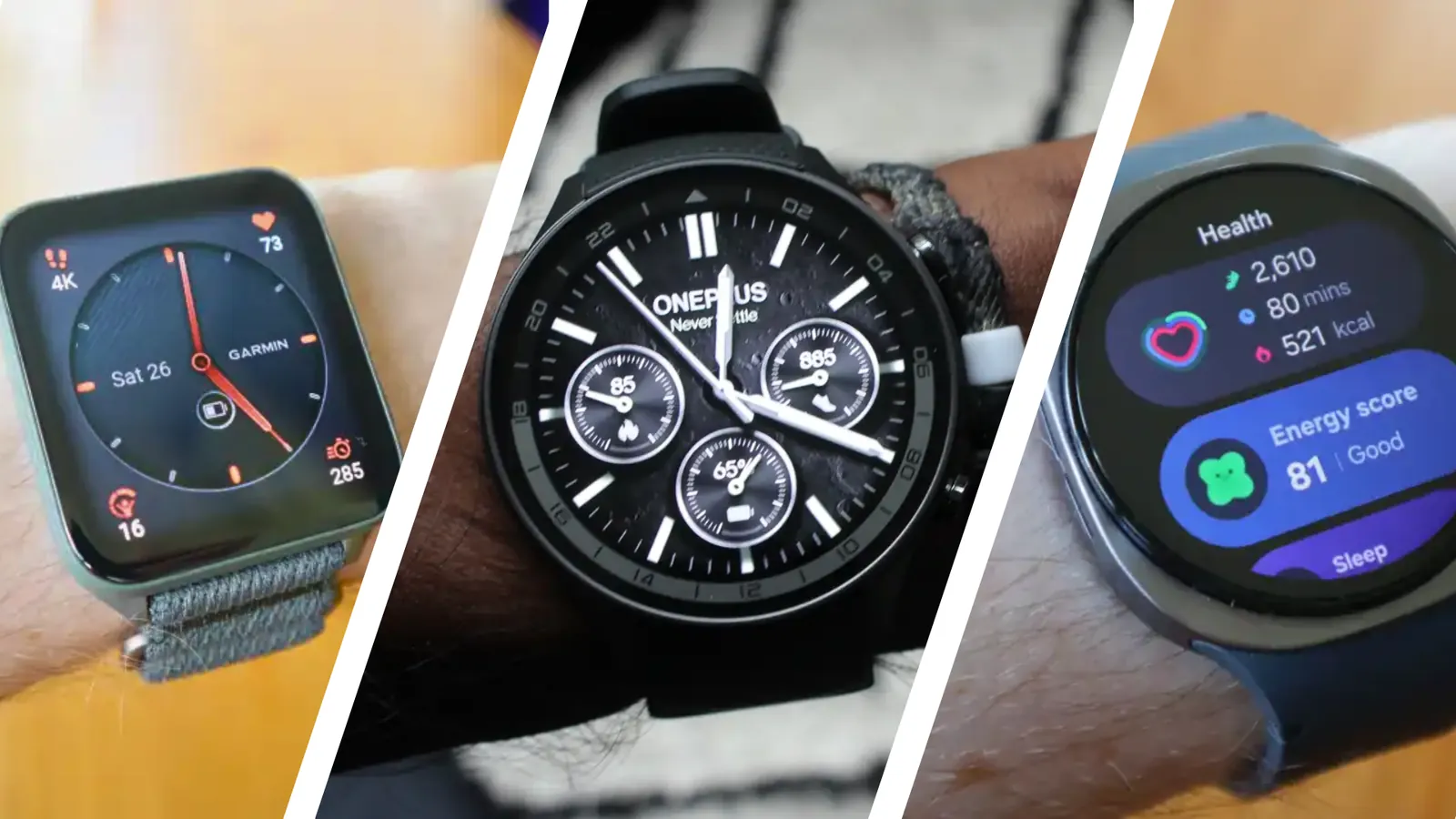
These watches focus on performance metrics and rugged design for users who spend significant time outdoors.
- Download the Garmin Connect app to sync your workout history.
- Customize the data screens on the watch face to show your pace, heart rate, and elevation.
- Use the physical buttons to start and stop tracking during your workouts.
- Sync the watch with the app every few days to update your recovery status.
It’s excellent for tracking complex athletic data and surviving harsh weather conditions. The main drawback is the interface, which is less intuitive than a standard touchscreen watch.
Basic Fitness Trackers
These simple devices focus on counting steps, sleep, and heart rate without the distraction of complex apps.
- Wear the tracker snugly on your wrist to ensure the heart rate sensor stays in contact with your skin.
- Sync the tracker with your phone once per week to review your activity trends.
- Set a daily step goal based on the physical activity guidelines published by the U.S. Department of Health and Human Services.
These trackers are perfect for people who want health data without feeling overwhelmed by technology. The limitation is that they lack the advanced communication features found in full smartwatches.
Which Smartwatch Wins?
If you’re in a hurry to get started, the Apple Watch is the winner because it sets up in minutes and integrates instantly with your phone. When you’re doing this for the first time, a basic fitness tracker is the best choice because it has fewer settings to manage and a lower learning curve.
If you want the best possible result regardless of the effort required, a Garmin sports watch wins due to its high-precision sensors and long-lasting battery. The trade-off is always between convenience and data depth.
Rules That Apply to Every Watch
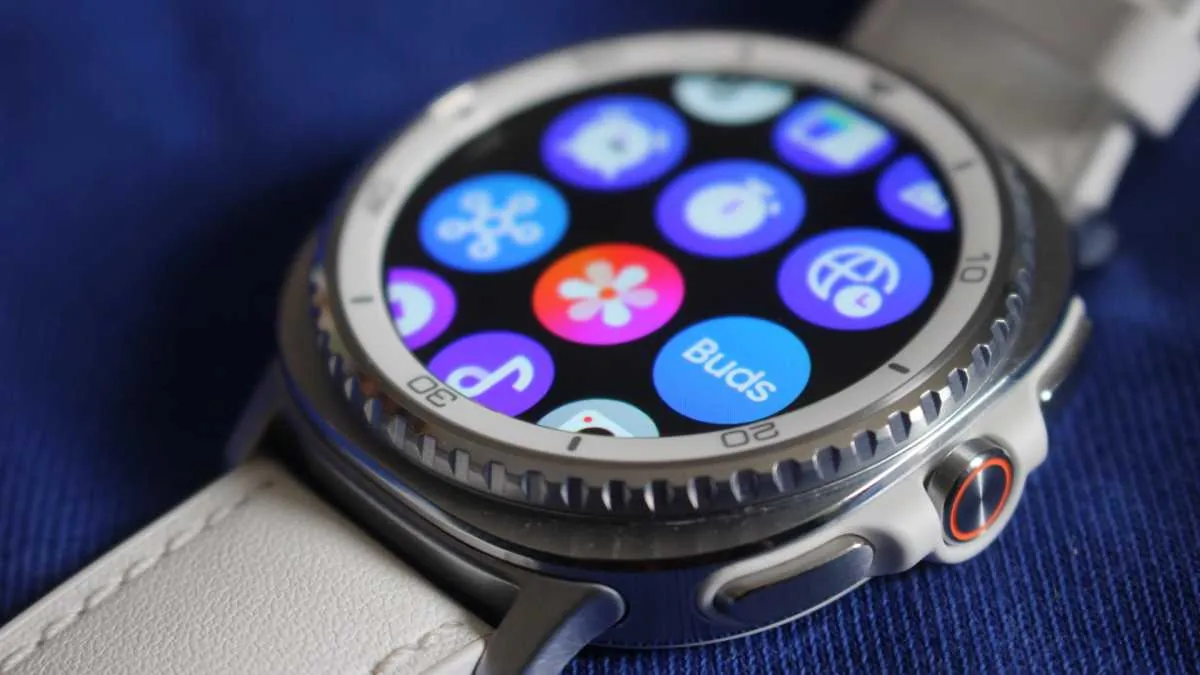
Regardless of the model you pick, you must keep the sensor clean to ensure accurate heart rate readings. You should also check the software for updates once a month to avoid bugs that can drain your battery.
Always follow the manufacturer’s guidance on water resistance, as most watches aren’t meant for deep-sea diving or high-pressure water sports. If you notice skin irritation, stop wearing the device and consult a doctor, as some materials may cause a reaction if worn too tightly.
Related guides
Frequently Asked Questions
Can I use a smartwatch without a phone?
Yes, you can use most smartwatches for timekeeping and basic fitness tracking without a phone, but you’ll lose access to app updates, notifications, and advanced data syncing features.
How long does a smartwatch battery last?
It lasts between 1 and 14 days depending on the model, with standard smartwatches needing daily charges while specialized sports watches can go two weeks on a single charge.
Is it safe to wear a smartwatch to sleep?
Yes, it’s safe to wear your device to sleep, but you should ensure the band isn’t too tight to avoid skin irritation or circulation issues during the night.
What happens if my watch gets wet?
It usually handles splashes or rain fine, but you should verify the specific IP rating provided by the manufacturer before submerging it in a pool or the ocean.
How accurate are smartwatch heart rate sensors?
They’re accurate for general activity tracking, but you should check the device’s technical specifications if you need medical-grade monitoring for a specific heart condition or athletic training.
Do I need a screen protector?
No, you don’t need one for daily use, but it’s a good idea if you work in a physically demanding environment where the screen might hit hard surfaces.
Conclusion
Choosing the right wearable doesn’t have to feel overwhelming. Take a moment to consider how you’ll actually use it throughout your typical week. Once you’ve narrowed down your top two options, head to a local store to try them on. You’ll quickly see which design feels most comfortable on your wrist.
2 thoughts on “Best Smartwatch: Top Picks for Health Tracking and Battery Life”