
A smartwatch is more than just a device that tells time. It is a modern wearable technology designed to help people stay connected, organized, active, and informed throughout the day. With advanced features such as fitness tracking, heart-rate monitoring, notifications, GPS, sleep tracking, music control, and smartphone connectivity, smartwatches have become an important part of modern digital lifestyles.
Whether you are a fitness enthusiast, a busy professional, a student, or someone who simply wants convenient access to important information, a smartwatch can provide useful features directly from your wrist. With many different models, designs, operating systems, and price ranges available, choosing the right smartwatch depends on your personal needs and lifestyle.
What Is a Smartwatch?
A smartwatch is a wearable electronic device that combines traditional watch functions with smart technology. Most smartwatches connect to a smartphone using Bluetooth, Wi-Fi, or other wireless technologies. Once connected, the watch can display notifications, calls, messages, calendar reminders, and other information from the phone.
Modern smartwatches also include sensors and software that allow them to monitor different aspects of daily activity. Depending on the model, users may be able to track steps, calories, workouts, heart rate, sleep patterns, GPS location, and more.
The biggest advantage of a smartwatch is convenience. Instead of taking your phone out of your pocket every time you receive a notification or need to check information, you can often view it directly on your wrist.
Key Features of Smartwatches
Smartwatches come with a wide variety of features. The exact functions depend on the brand and model, but several features are commonly found across modern devices.
Fitness and Activity Tracking
Fitness tracking is one of the most popular reasons people purchase smartwatches. Many models can count steps, estimate calories burned, measure distance, and monitor daily activity.
Smartwatches can also offer dedicated workout modes for activities such as walking, running, cycling, swimming, strength training, and other exercises. These features can make it easier to understand your daily activity and maintain consistent exercise habits.
Heart-Rate Monitoring
Many smartwatches include optical sensors designed to monitor heart rate. Users can view heart-rate information during exercise and throughout the day, depending on the device.
Some advanced models may also provide additional wellness-related measurements. These features can help users better understand their activity and general wellness patterns, although smartwatch measurements should not automatically be treated as medical diagnoses.
Sleep Tracking
Sleep tracking has become another popular smartwatch feature. Compatible devices can monitor sleep duration and provide information about sleep patterns.
By reviewing sleep data over time, users may become more aware of their sleeping habits and daily routines. A comfortable design and long battery life are especially important for people who want to wear their smartwatch overnight.
GPS and Location Tracking
Built-in GPS is useful for runners, cyclists, hikers, travelers, and outdoor enthusiasts. A smartwatch with GPS can track routes, distance, pace, and location without always requiring a smartphone nearby.
GPS functionality can be particularly useful during outdoor workouts because users can review their route and performance after completing an activity.
Smartphone Notifications
Smartwatches can display notifications from connected smartphones. Depending on the model and operating system, users may receive alerts for calls, text messages, emails, social media apps, calendars, and other applications.
This feature is especially convenient when you are working, exercising, traveling, or in situations where checking your phone frequently is inconvenient.
Calls and Messaging
Some smartwatches allow users to answer calls or communicate through the watch. Models with built-in microphones and speakers can provide hands-free calling when connected to a compatible smartphone.
Certain cellular-enabled smartwatches can also connect to mobile networks independently, although availability and functionality depend on the carrier, region, and device.
Music and Media Controls
Many smartwatches can control music and other media playing on a connected smartphone. Users can pause, play, skip tracks, adjust volume, or browse music directly from their wrist.
Some models also offer built-in storage for music, allowing compatible Bluetooth headphones to connect directly to the watch.
Benefits of Using a Smartwatch
One of the main benefits of a smartwatch is convenience. Important information is available without constantly reaching for your smartphone.
Smartwatches can also encourage users to stay active. Step goals, workout tracking, activity reminders, and progress reports can make daily exercise more engaging. For people who enjoy running, cycling, or other outdoor activities, GPS and performance tracking can provide useful information.
Another advantage is personalization. Users can often customize watch faces, notifications, widgets, apps, and straps according to their preferences. This makes a smartwatch both a practical device and a personal accessory.
Smartwatches can also complement a smartphone rather than replace it. They provide quick access to selected information while allowing the phone to remain in your pocket or bag.
Smartwatch Design and Display
Design is an important factor when selecting a smartwatch. Smartwatches are available in different shapes, sizes, materials, and styles. Some have a traditional round watch design, while others feature rectangular or square displays.
Display technology also varies. Many premium models use bright AMOLED or similar displays that provide strong contrast and vibrant visuals. Budget models may use different display technologies to reduce costs.
The size of the display matters as well. A larger screen can make notifications, maps, and apps easier to read, while a smaller watch may feel lighter and more comfortable for everyday wear.
Comfort should not be overlooked. Since a smartwatch may be worn for many hours each day, factors such as weight, strap material, case size, and overall design can significantly affect the user experience.
Battery Life
Battery life is another important consideration. Depending on the model, features, display settings, GPS usage, and other factors, a smartwatch may need charging every day or may operate for several days or longer.
Users who frequently track workouts, use GPS, receive notifications, or monitor sleep should pay close attention to battery performance. A smartwatch with strong battery life can reduce the inconvenience of frequent charging.
Charging speed can also be useful. Some modern watches support faster charging, allowing users to quickly add battery power when needed.
Choosing the Right Smartwatch
There is no single smartwatch that is perfect for everyone. The best choice depends on your smartphone, budget, preferred features, and lifestyle.
If fitness is your main priority, look for reliable workout tracking, GPS, heart-rate monitoring, and strong battery life. If communication is more important, consider models with excellent notification support, calling capabilities, and smartphone integration.
For everyday use, you may prefer a watch with a comfortable design, clear display, long battery life, customizable watch faces, and useful smart features.
Compatibility is also essential. Before purchasing, make sure the smartwatch works properly with your smartphone’s operating system and supports the features you need.
Smartwatches for Fitness and Everyday Life
Smartwatches are useful in many different situations. During workouts, they can track performance and provide real-time information. At work, they can display important notifications and reminders. While traveling, GPS and navigation features can make exploring unfamiliar locations easier.
At home, a smartwatch can provide quick access to music controls, timers, weather information, calendars, and other everyday functions.
Because of this versatility, smartwatches have moved beyond being simple fitness accessories. They have become multifunctional devices designed to support different aspects of daily life.
Popular Smartwatch Brands
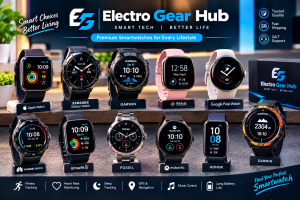
The smartwatch market includes products from many well-known technology and wearable brands. Popular choices include Apple Watch, Samsung Galaxy Watch, Garmin, Fitbit, Google Pixel Watch, Amazfit, Huawei, Motorola, Fossil, and other manufacturers.
Each brand tends to focus on different strengths. Some emphasize smartphone integration and apps, while others focus heavily on fitness, outdoor activities, battery life, or stylish designs.
When comparing brands, it is helpful to consider the overall ecosystem, compatibility, software experience, available apps, health and fitness features, battery performance, and price.
The Future of Smartwatch Technology
Smartwatch technology continues to develop rapidly. Future devices are expected to become more powerful, efficient, and personalized. Improvements in sensors, artificial intelligence, battery technology, connectivity, and software could make wearable devices even more useful.
As technology develops, smartwatches may provide increasingly detailed insights into activity, wellness, communication, and everyday routines. At the same time, manufacturers are likely to continue improving comfort, durability, display quality, and battery efficiency.
The growing popularity of wearable technology shows that people value quick access to useful information without relying entirely on traditional devices.
Conclusion
A smartwatch is a versatile wearable device that combines the functionality of a traditional watch with modern digital technology. From fitness tracking and GPS to notifications, calls, music controls, and sleep tracking, smartwatches can provide a wide range of useful features.
When choosing a smartwatch, consider your lifestyle, smartphone compatibility, preferred features, design, battery life, and budget. Whether you want to improve your fitness routine, stay connected, organize your day, or simply enjoy convenient technology on your wrist, there is likely a smartwatch designed to match your needs.
As wearable technology continues to evolve, smartwatches are becoming an increasingly useful companion for modern life. Their combination of convenience, connectivity, personalization, and intelligent features makes them an appealing choice for people who want technology that fits naturally into their everyday routine.