
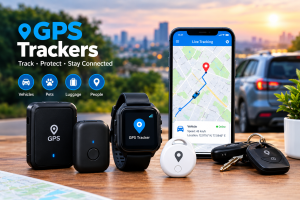
 GPS trackers have become useful technology for individuals, families, travelers, and businesses that want a simple way to monitor the location of an item or device. From compact tracking tags to vehicle tracking systems and wearable devices, GPS technology is available in many forms to suit different needs.
A GPS tracker uses positioning technology to determine its location and, depending on the device, can communicate that information through a mobile network, Wi-Fi, Bluetooth, or another connection. Users can often view location information through a smartphone application or web platform. With features such as location history, geofencing, alerts, and long battery life, modern GPS trackers can be helpful tools for everyday organization and security.
What Is a GPS Tracker?
A GPS tracker is a small electronic device designed to determine and communicate the location of an object, vehicle, animal, or person. GPS stands for Global Positioning System, a satellite-based positioning system that allows compatible devices to calculate their geographic position.
Many modern trackers combine GPS with cellular connectivity. The GPS system determines the location, while the cellular connection can send that information to an online service or smartphone app. Some smaller tracking tags use Bluetooth or nearby devices to help report their approximate location.
GPS trackers come in different shapes and sizes. Some are designed to attach to a vehicle, while others can be placed inside luggage, attached to a pet’s collar, or carried by a person.
How Do GPS Trackers Work?
The basic operation of a GPS tracker involves several steps. First, the device receives signals from GPS satellites. Using information from multiple satellites, it calculates its approximate position.
The tracker then uses its available communication method to transmit the location information. For example, a cellular-enabled tracker may send the data over a mobile network to a tracking platform. The user can then open an app or website to view the device’s location.
Depending on the model, a tracker may update its position continuously or at selected intervals. Some devices allow users to choose different tracking modes to balance location accuracy and battery consumption.
Types of GPS Trackers
1. Personal GPS Trackers
Personal trackers are designed to be carried or worn by individuals. They may be useful for families, outdoor activities, travel, or situations where knowing a device’s location is important.
Many personal trackers are compact and lightweight. Some include emergency buttons, two-way communication, or location-sharing features.
2. Vehicle GPS Trackers
Vehicle trackers are designed for cars, motorcycles, trucks, and other vehicles. They can help owners monitor vehicle location, review travel routes, and receive alerts about movement.
Businesses with multiple vehicles may also use tracking technology to organize fleets and improve operational visibility.
3. Pet GPS Trackers
Pet trackers are usually designed to attach to a collar. They can help owners locate pets if they wander away.
Some models provide virtual safe zones, allowing owners to receive an alert when a pet leaves a predefined area. Compact construction and water resistance can be especially useful for active pets.
4. Asset GPS Trackers
Asset trackers can be used for equipment, luggage, tools, containers, and other valuable items. They are useful for people or businesses that need to monitor the location or movement of important assets.
Battery-powered asset trackers can be placed inside or attached to suitable equipment, depending on the device design.
5. Wearable GPS Trackers
Some GPS trackers are built into wearable devices such as watches and activity-focused devices. These products can combine location features with other functions such as fitness tracking, notifications, and communication.
Important GPS Tracker Features
Real-Time Location Tracking
Real-time or frequent location updates are among the most useful features of a GPS tracker. Depending on the device and network conditions, users can see the current or recently reported location through an app.
Geofencing
Geofencing allows users to create a virtual geographic boundary. When the tracker enters or leaves the selected area, the system may send an alert.
For example, a vehicle owner could create a boundary around a workplace or home and receive notifications when the vehicle moves outside that area.
Location History
Some GPS tracking services store previous location information. Location history can help users understand routes, review movements, or find where a device was previously located.
Battery Life
Battery life is an important consideration when choosing a tracker. Some devices require frequent charging, while others are designed to operate for much longer periods.
The expected battery life can depend on tracking frequency, network availability, temperature, and other factors.
Mobile App
A simple and reliable smartphone app can make a GPS tracker much easier to use. Look for an app that provides clear maps, notifications, device settings, location history, and account management.
Durability
If you plan to use a tracker outdoors, consider durability. Water-resistant or rugged construction can be useful for vehicles, pets, luggage, and outdoor equipment.
Benefits of GPS Trackers
GPS trackers can provide several practical benefits.
Improved Awareness: Users can check the reported location of a tracked device or asset through an app.
Convenience: Tracking technology can make it easier to locate vehicles, luggage, pets, and valuable equipment.
Travel Assistance: A tracker placed with luggage or equipment can help users monitor their belongings while traveling.
Asset Management: Businesses can use suitable tracking devices to keep better records of equipment and mobile assets.
Location Alerts: Geofencing and movement notifications can help users stay informed when something moves unexpectedly.
Peace of Mind: Having a reliable way to check the reported location of important belongings can provide reassurance.
Common Uses of GPS Trackers
GPS trackers have applications in many areas. Travelers may use tracking devices with luggage or valuable equipment. Vehicle owners may use them to monitor their cars or motorcycles. Businesses can use tracking technology for fleet and asset management.
Pet owners may choose GPS-enabled collars or compact trackers to help locate their animals. Outdoor enthusiasts may also use location technology during hiking, cycling, camping, or other activities.
However, tracking technology should always be used responsibly. Users should follow applicable laws and respect privacy and consent when tracking people or property.
How to Choose the Right GPS Tracker
Start by identifying what you want to track. A vehicle may require a different device from a pet, suitcase, or personal item.
Next, consider the required connectivity. Check whether the device depends on cellular service, Wi-Fi, Bluetooth, or another technology, and make sure it works in the areas where you plan to use it.
Battery life is another major factor. If you need long-term tracking without frequent charging, choose a device designed for extended battery performance.
You should also compare location accuracy, update frequency, geofencing, app quality, durability, subscription costs, and customer support. A lower-priced device may not always be the best value if it lacks the features you actually need.
Tips for Using a GPS Tracker
Before using a GPS tracker, read the manufacturer’s instructions and configure the device correctly. Keep the tracker charged and check its connection periodically.
For vehicle or outdoor use, install or position the device according to the manufacturer’s recommendations. If the tracker uses a subscription service, understand the recurring costs before purchasing.
Most importantly, use GPS tracking ethically and legally. Do not use tracking technology to secretly monitor another person without appropriate authorization or consent.
Final Thoughts
GPS trackers have become practical tools for modern life. Whether you need to monitor a vehicle, locate a pet, protect valuable equipment, or keep track of luggage, there are many types of devices available.
The best GPS tracker depends on your specific requirements. Before buying, compare location accuracy, connectivity, battery life, geofencing, durability, app features, subscription costs, and overall reliability.
As tracking technology continues to develop, GPS devices are becoming smaller, smarter, and easier to use. With the right tracker and responsible use, location technology can offer greater convenience, organization, and awareness in everyday life.
Choose the right GPS tracker, understand its features, and use it responsibly to stay connected with what matters most.